

Protein Coffee (Proffee): The Complete Buyer's Guide for 2026
The quick answer
The best protein coffee gives you real coffee flavor, at least 20g of quality protein (ideally grass-fed whey), little to no sugar or sweeteners, and it actually mixes smooth. The 2026 shelf is crowded, so this guide walks through exactly what to look for, the trade-offs between formats, and how to match a protein coffee to your goals. Our pick for a clean, high-protein daily cup is OrganiiLand Protein Coffee (22g grass-fed whey, zero sugar, no sweeteners).
In this article
What is protein coffee?
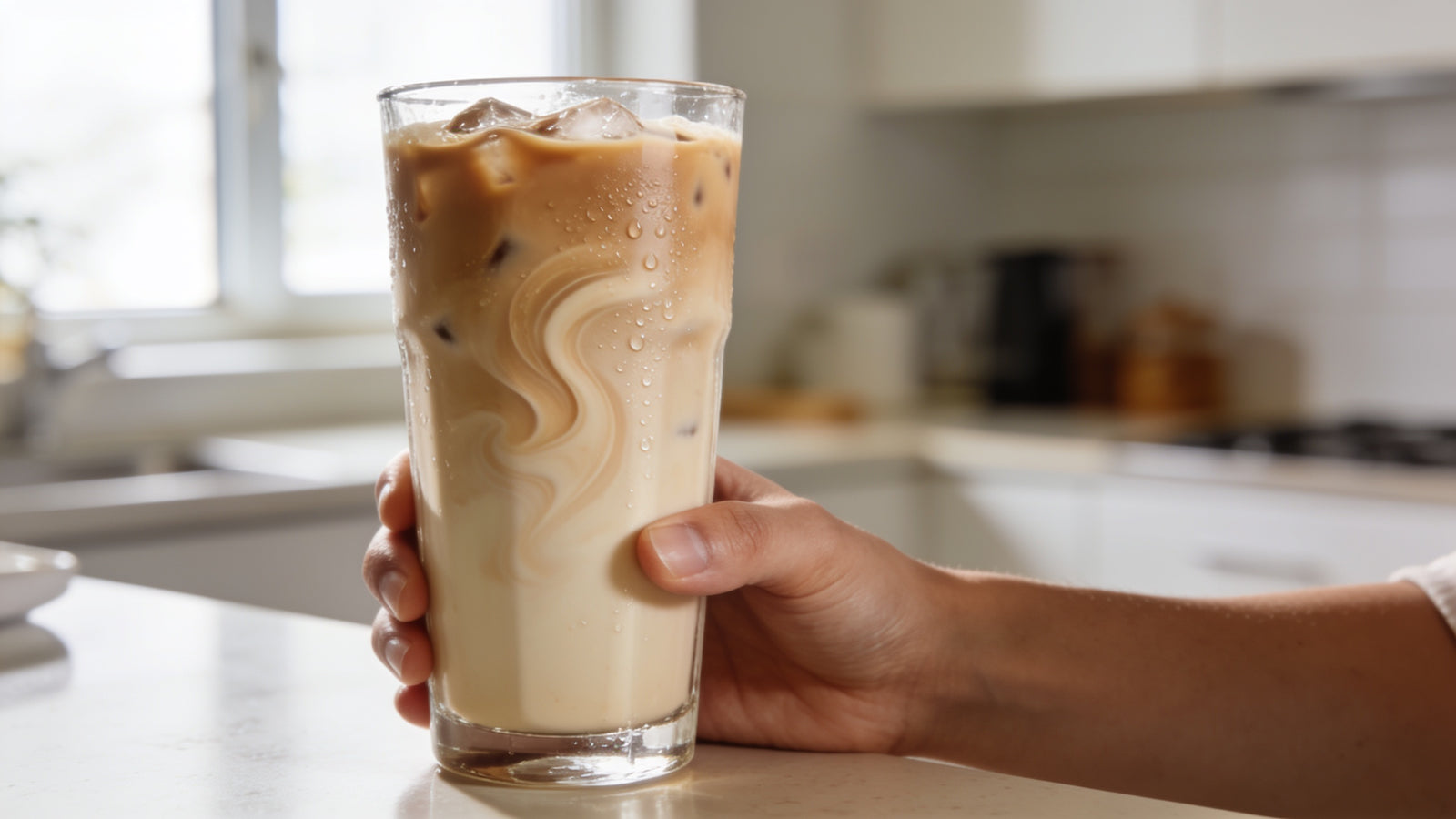
Protein coffee, or proffee, is coffee with protein added, so you get your morning caffeine and a chunk of your daily protein in one drink. It comes two main ways: a powder you mix into water or milk, or a pre-made ready-to-drink can or bottle. The best versions taste like real coffee, not a chalky shake, and they help you hit a protein target most people miss, especially at breakfast.
The buyer's checklist: what to look for
Whatever brand you are eyeing, run it through these seven checks. They are the difference between a protein coffee you love and one that ends up in the back of the cupboard.
| What to check | What good looks like |
|---|---|
| Protein amount | At least 20g per serving |
| Protein type | Grass-fed whey for a strong amino profile; plant blends if dairy-free |
| Sugar and sweeteners | Little to no added sugar; ideally no artificial sweeteners |
| Real coffee and caffeine | Actual coffee, with the caffeine level listed |
| Mixability | Blends smooth without clumping or chalk |
| Label clarity | Clear serving size and full ingredient list, no vague 'proprietary' dumping |
| Useful extras | Bonus points for adaptogens, probiotics, or BCAAs, not filler |
Reviewers in this category consistently reward clear labels, practical serving sizes, and genuine nutrition, and penalize vague labels and products that lean on hype. Use the checklist above and you will filter out most of the weak options fast.
Powder vs ready-to-drink
Both formats can be great; they just fit different lives.
Powder is cheaper per serving, lets you control the liquid and strength, and travels well as a dry scoop. The trade-off is you have to mix it. Ready-to-drink cans are the ultimate grab-and-go, but they cost more per gram of protein and give you no control over ingredients. If you make coffee at home most mornings, a powder usually wins on value and flexibility.
How much protein and caffeine do you actually need?
Most active adults do well aiming for roughly 0.7 to 1g of protein per pound of body weight per day, spread across meals. A 20g-plus protein coffee is an easy way to front-load some of that at breakfast, when people most often fall short. On caffeine, a typical protein coffee lands well under a strong cup; around 40mg is plenty for a smooth lift without the jitters. Count it toward your daily total if you drink several cups.
Our pick: OrganiiLand Protein Coffee
We build protein coffee, so treat this as our informed pick rather than a neutral referee. Judged against the checklist above, OrganiiLand Protein Coffee ticks the boxes that matter most: 22g of grass-fed whey plus 4.5g of BCAAs, zero added sugar and no sweeteners of any kind, real arabica coffee at about 40mg of caffeine, plus organic adaptogens and a pre and probiotic blend. It mixes smooth in about 15 seconds with two scoops. Popular options like Chike, Transparent Labs, and Premier Protein each do well on some of these points too, so run any of them through the same seven checks and pick the one that fits you.

Our top pick
OrganiiLand Protein Coffee
Real arabica coffee with 22g grass-fed whey, 4.5g BCAAs, organic adaptogens, and pre plus probiotics. About 40mg caffeine, zero sugar, no sweeteners. Mixes in 15 seconds.
Common mistakes to avoid
- Buying on protein number alone. A big protein figure means little if it comes with a pile of sugar or a chalky mix you will not drink.
- Ignoring the sweetener line. Plenty of protein coffees hide heavy sweeteners. If you prefer none, read the label, not just the front of the pack.
- Overpaying for convenience. Ready-to-drink cans are handy, but if you brew at home anyway, a powder is usually better value.
- Treating it as a full meal. Protein coffee is a great addition or a light bridge, not a permanent replacement for balanced meals.
Frequently asked questions
What is the best protein coffee?
The best one for you meets the checklist: 20g-plus of quality protein, little to no sugar or sweeteners, real coffee, and smooth mixing. Our pick is OrganiiLand Protein Coffee for its 22g of grass-fed whey and zero sweeteners, but run any brand through the same checks.
How much protein should protein coffee have?
Aim for at least 20g per serving from a quality source like grass-fed whey. Lower-protein options exist, but 20g-plus makes a real dent in a daily target.
Is powder or ready-to-drink protein coffee better?
Powder is usually cheaper and more flexible if you make coffee at home; ready-to-drink is best for pure grab-and-go convenience at a higher cost per gram of protein.
Does protein coffee have a lot of caffeine?
Usually less than a strong cup. Many, including OrganiiLand's, sit around 40mg per serving, enough for a smooth lift. Check the label and count it toward your daily total.
Can I drink protein coffee every day?
For most healthy adults, yes, it is made for daily use. Pair it with balanced meals, and if you are pregnant, nursing, or on medication, check with your healthcare provider first.
The easy 22g-protein upgrade to your morning cup
Real coffee, grass-fed whey, zero sugar, and no sweeteners. Ready in 15 seconds.
Try Protein Coffee →22g grass-fed whey · ~40mg caffeine · zero sugar · adaptogens + probiotics · ready in 15 seconds
*These statements have not been evaluated by the U.S. Food and Drug Administration. This product is not intended to diagnose, treat, cure, or prevent any disease. This article is educational and not a substitute for advice from your healthcare provider.