

Is Coffee a Good Pre-Workout? What the Science Says
The quick answer
Yes. Caffeine is one of the most well-researched performance aids there is, and coffee is a simple, effective way to get it. Studies show roughly 3 to 6mg of caffeine per kg of body weight, taken 30 to 60 minutes before training, can improve strength, endurance, and power, and make hard efforts feel easier. Coffee delivers that caffeine cleanly. And a protein coffee adds something most pre-workouts do not: protein to support the muscle you are training.
In this article
Does caffeine actually improve your workout?
This is one of the rare cases where the hype matches the research. According to the International Society of Sports Nutrition position stand on caffeine, caffeine reliably produces small-to-moderate improvements in muscular endurance, strength, power, and sprinting, with the most consistent benefits in aerobic endurance. It also lowers your rating of perceived exertion, which is a fancy way of saying the same hard set simply feels a little easier.
How does it work? Caffeine blocks adenosine, the molecule that builds up and makes you feel tired, so you feel more alert and can push a bit harder before fatigue catches up. That effect is why it shows up in nearly every pre-workout on the shelf.
How much caffeine, and when?
The research-backed range is about 3 to 6mg per kilogram of body weight, taken 30 to 60 minutes before you train, which gives it time to peak in your bloodstream. Here is roughly what that looks like:
| Body weight | Caffeine range (3–6mg/kg) | Rough cups of coffee |
|---|---|---|
| 120 lb (55kg) | 165–330mg | ~2–3 |
| 150 lb (68kg) | 205–410mg | ~2–4 |
| 180 lb (82kg) | 245–490mg | ~3–5 |
| 210 lb (95kg) | 285–570mg | ~3–6 |
A standard cup of brewed coffee has roughly 95mg of caffeine, so most people land in the effective range with one to three cups. You do not need to max it out: very high doses (around 9mg/kg) bring more jitters and stomach upset without extra benefit. Start on the lower end, especially if you are caffeine-sensitive.
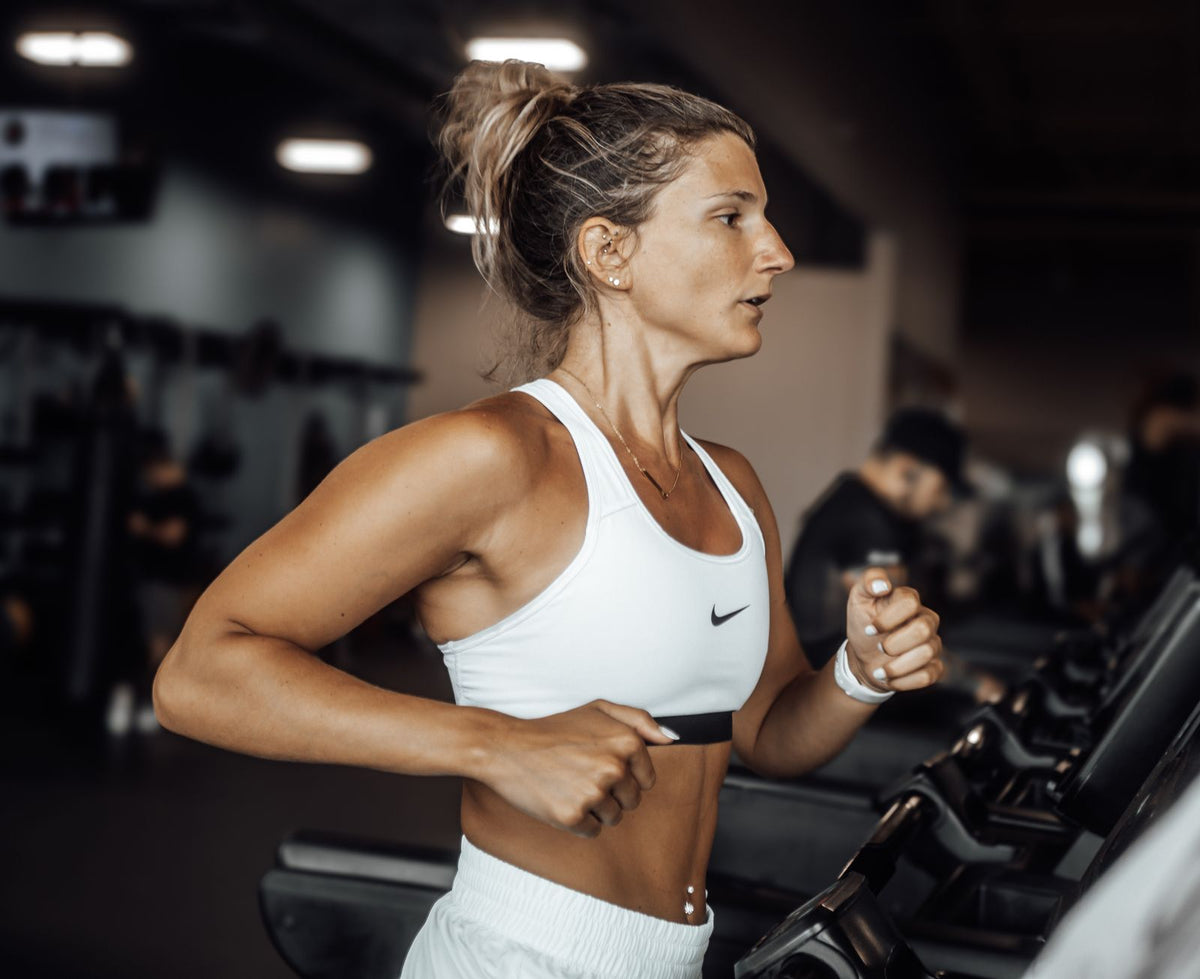
Coffee vs a dedicated pre-workout
A pre-workout powder usually stacks caffeine with extras like citrulline (for pump), beta-alanine (for that tingly high-rep endurance), and electrolytes. Those can be useful, but the single biggest driver in most pre-workouts is the caffeine, which coffee gives you for pennies, with no proprietary blends and no mystery. If you love the ritual of a pre-workout, keep it. If you want simple and effective, coffee covers the main thing that actually moves the needle.
Where protein coffee fits
Here is the honest version. Plain coffee is a great pre-workout for the caffeine alone. OrganiiLand Protein Coffee adds something a pre-workout cannot: 22g of grass-fed whey plus 4.5g of BCAAs in the same cup, so you are feeding the muscle you are about to train while you caffeinate. The trade-off to be upfront about: it is formulated at about 40mg of caffeine per serving, which is a gentler, jitter-friendly dose rather than a big stimulant hit. If you want a stronger pre-workout kick, pair it with a little extra coffee to reach your range, or use it on lighter days and when a smoother energy is what you are after. Either way, you can learn how to make it in about 15 seconds, and see the full case for it in our guide to whether protein coffee is good for you.

Caffeine plus muscle support
OrganiiLand Protein Coffee
Real arabica coffee with 22g grass-fed whey, 4.5g BCAAs, organic adaptogens, and pre plus probiotics. About 40mg caffeine, zero sugar, no sweeteners. Mixes in 15 seconds.
Who should be careful
Caffeine is not free of downsides. Time it too late and it can wreck your sleep, which matters more for your results than any pre-workout. Some people get jittery, anxious, or an upset stomach, and your personal response is partly genetic, so more is not better. Stay hydrated, do not stack coffee on top of a strong pre-workout without counting the total, and if you are pregnant, nursing, or managing a heart condition, blood pressure, or anxiety, check with your healthcare provider before using caffeine to train.
Frequently asked questions
Is coffee a good pre-workout?
Yes. Coffee delivers caffeine, one of the most research-backed performance aids, which can improve strength, endurance, and power and make hard efforts feel easier. It is simple, cheap, and effective.
How long before a workout should I drink coffee?
About 30 to 60 minutes before training, so the caffeine has time to peak in your bloodstream.
How much caffeine should I have before a workout?
Research supports roughly 3 to 6mg per kg of body weight, which is about one to three cups of coffee for most people. Start low if you are sensitive; very high doses just add side effects.
Is coffee as good as a pre-workout supplement?
For the caffeine, essentially yes, since caffeine is the main active driver in most pre-workouts. Dedicated formulas add extras like citrulline or beta-alanine, which some people value.
Can I use protein coffee as a pre-workout?
Yes, and it adds 22g of protein to support the muscle you are training. It is a lighter ~40mg caffeine dose, so pair it with a little extra coffee if you want a stronger stimulant effect.
Caffeine and protein, in one pre-workout cup
22g of grass-fed whey, real coffee, zero sugar. Fuel the session and the muscle at once.
Try Protein Coffee →22g grass-fed whey · ~40mg caffeine · zero sugar · ready in 15 seconds
Source: Guest NS, et al. International Society of Sports Nutrition position stand: caffeine and exercise performance. J Int Soc Sports Nutr, 2021.
*These statements have not been evaluated by the U.S. Food and Drug Administration. This product is not intended to diagnose, treat, cure, or prevent any disease. This article is educational and not a substitute for advice from your healthcare provider.