

Zone 2 Cardio, Explained: The Case for Going Slow
The quick answer
Zone 2 cardio is easy, conversational-pace aerobic exercise, roughly 60 to 70% of your maximum heart rate, where you can still talk in full sentences. It is the foundation of endurance and heart health: it builds your aerobic base, trains your body to burn fat for fuel, lowers your resting heart rate, and is gentle enough to do often. Aim for about 150 minutes a week, and yes, a brisk walk counts.
In this article
What is Zone 2 cardio?
Heart rate training splits effort into five zones, from very easy (Zone 1) to all-out (Zone 5). Zone 2, as the Cleveland Clinic describes it, is the sweet spot of low-to-moderate aerobic exercise at about 60 to 70% of your max heart rate. Your breathing picks up, but you could still hold a conversation in full sentences. If you can only get out a few words, you have drifted into a higher zone; if you could comfortably sing, you are below it. That conversational feel is the whole point, and it is why Zone 2 is sometimes called the "talk test" pace.
How to find your Zone 2
The simplest estimate: subtract your age from 220 to approximate your max heart rate, then take 60 to 70% of it. A heart-rate watch makes this easy, but the talk test works just as well on its own.
| Age | Estimated max HR | Zone 2 (60–70%) |
|---|---|---|
| 25 | 195 bpm | 117–137 bpm |
| 35 | 185 bpm | 111–130 bpm |
| 45 | 175 bpm | 105–123 bpm |
| 55 | 165 bpm | 99–116 bpm |
These are estimates, and individual max heart rates vary, so use the numbers as a starting point and let the talk test be your reality check.
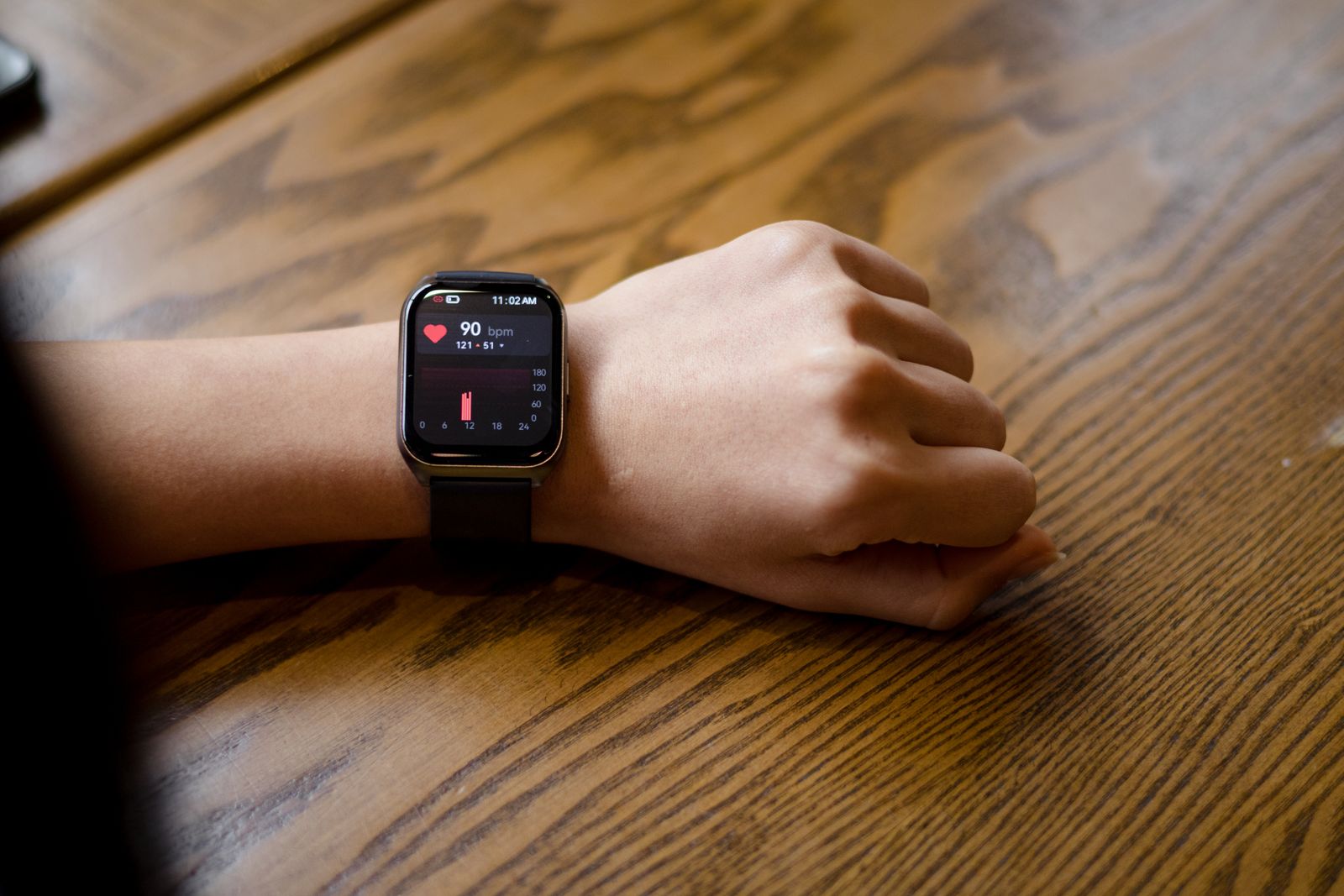
Why Zone 2 is worth the slow pace
Going easy feels counterintuitive in a "no pain, no gain" culture, but the payoffs are real.
It builds your aerobic base. Zone 2 increases the number and efficiency of your mitochondria, the tiny engines in your cells, so your body gets better at producing energy and sustaining effort.
It trains your body to burn fat. At this intensity there is enough oxygen to use fat efficiently for fuel, which is part of why endurance athletes live in this zone.
It is great for your heart. Consistent Zone 2 work can lower your resting heart rate and strengthen each beat, easing the daily load on your heart.
It is easy to recover from. Because it is low-stress on your joints and nervous system, you can do it often without the burnout that comes from constant hard sessions.
How much do you need, and what counts?
A good target is the American Heart Association's guideline of at least 150 minutes of moderate aerobic activity per week, which you can hit with three to five sessions of 30 to 60 minutes. The beauty of Zone 2 is how many things qualify:
- A brisk walk or easy jog
- Cycling or a stationary bike
- Rowing, an elliptical, or a gentle swim
- Even a steady hike counts
Pick whatever you will actually do consistently. Consistency, not intensity, is what makes Zone 2 work.
Fueling and recovering from your easy sessions
Zone 2 pairs nicely with coffee. Caffeine's fat-burning effect is strongest during lower-intensity endurance work, so a cup beforehand fits this training perfectly, something we cover in our guide to coffee as a pre-workout. Afterward, protein supports recovery and helps you hold onto muscle as your endurance builds. OrganiiLand Protein Coffee covers both jobs in one cup: real coffee for the caffeine and 22g of grass-fed whey for recovery, with zero sugar. If you are not sure how much protein you should be getting overall, our guide to how much protein you actually need has the numbers.

Before and after your easy miles
OrganiiLand Protein Coffee
Real arabica coffee with 22g grass-fed whey, 4.5g BCAAs, organic adaptogens, and pre plus probiotics. Zero sugar, no sweeteners. Mixes in 15 seconds.
The most common Zone 2 mistake
Going too hard. Most people who "do Zone 2" are actually drifting up into Zone 3, which is not easy enough to build the aerobic base and not hard enough to be a real high-intensity session, a no-mans-land that leaves you tired without the benefit. If it feels comfortable and a little boring, you are probably doing it right. Ego is the enemy here; slow down and let the talk test keep you honest.
Frequently asked questions
What is Zone 2 cardio?
It is easy, conversational-pace aerobic exercise at about 60 to 70% of your max heart rate, where you can still talk in full sentences. It builds endurance and heart health with low stress on the body.
How do I know if I am in Zone 2?
Use the talk test: you should be able to speak in full sentences but not sing. A heart-rate watch showing roughly 60 to 70% of your estimated max heart rate confirms it.
Is walking Zone 2 cardio?
A brisk walk can absolutely put you in Zone 2, especially uphill or at a quick pace. It is one of the easiest and most joint-friendly ways to do it.
How much Zone 2 should I do per week?
Aim for at least 150 minutes of moderate aerobic activity a week, which you can split into three to five sessions of 30 to 60 minutes.
Does Zone 2 burn fat?
Yes, your body uses a higher share of fat for fuel at this intensity. For actual fat loss, pair it with an overall calorie deficit, since total energy balance is what drives results.
The perfect cup for easy miles
Caffeine before, 22g of protein after, zero sugar throughout. One cup, both jobs.
Try Protein Coffee →22g grass-fed whey · zero sugar · no sweeteners · ready in 15 seconds
Source: Cleveland Clinic. What Is Zone 2 Cardio? health.clevelandclinic.org. American Heart Association physical activity recommendations.
*These statements have not been evaluated by the U.S. Food and Drug Administration. This product is not intended to diagnose, treat, cure, or prevent any disease. This article is educational and not a substitute for advice from your healthcare provider. Check with your provider before starting a new exercise program.